


In fast-changing retail, an efficient retail POS system is no longer optional. It can decide whether your store stands out or falls behind. As technology moves quickly, 2025 brings retailers both new opportunities and new challenges. This guide covers why a modern POS matters, the features you need and how to choose the right system, so you can get ahead and sell more efficiently.
Why a Retail POS System Matters
Traditional Cash Registers vs. Modern POS
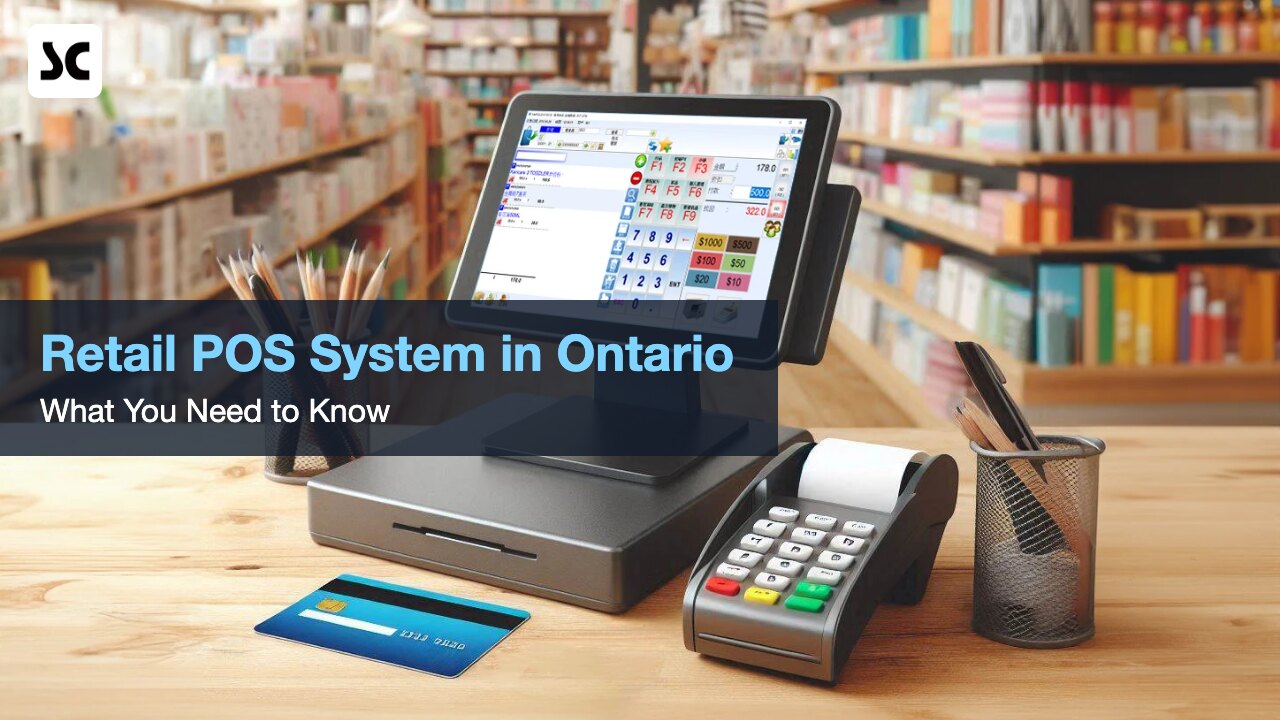
Remember cash registers that needed manual calculation and were easy to get wrong? A modern POS system is a huge step up. It processes sales quickly and accurately, and also manages inventory, generates reports and even analyzes customer behaviour. With everything in one place, you can focus on serving customers instead of being buried in back-office work.

How a POS System Boosts Sales Efficiency
Picture a customer walking into your store. Your POS completes checkout in seconds, recommends related products based on their purchase history and even offers a personalized discount. With automation, real-time data and personalized marketing, a modern POS speeds up transactions, raises average order value and builds customer loyalty.
Must-Have Retail POS System Features for 2025
Cloud Integration and Data Sync
A 2025 POS system is no longer tied to one device or one location. With the cloud, you can check sales and inventory anytime, anywhere, and even manage several branches remotely. That flexibility makes business decisions faster and more accurate.
Multichannel Sales Integration
Shoppers increasingly expect an omnichannel experience. A good POS should connect your online store, social media sales and physical shop, with unified inventory and synced customer data, so customers get the same experience wherever they buy.
AI and Predictive Analytics
AI will become standard in 2025 POS systems. By analyzing large volumes of sales and customer data, AI can forecast trends, optimize inventory and even adjust pricing. That helps you avoid overstock and launch the right promotion at the right time.
Mobile Wallets and Contactless Checkout
As mobile wallets spread and hygiene stays top of mind, support for many ways to pay and contactless checkout is a must. Whether customers tap with Interac Debit, Visa or Mastercard, or use Apple Pay and Google Pay, flexible options raise satisfaction and speed up the line.

Customer Relationship Management (CRM) Integration
In 2025, a POS is more than a sales tool. It is a powerful CRM platform. By collecting and analyzing customer data, it helps you build personalized loyalty programs, send tailored offers and deliver more thoughtful service that keeps customers for the long term.
Choosing the Right Retail POS System
Assess Your Business Needs
Start by defining what your business needs. Do you need inventory management? Do you run more than one store? Do you need to connect with other systems such as accounting software? A detailed list of requirements will guide your choice.
Compare Vendors
There are many POS vendors on the market. Beyond features, look at each vendor’s reputation, quality of support, system stability and security. Ask other business owners about their experience, or get advice from a professional consultant.
Plan for Growth
Think beyond today’s needs. Is the system easy to expand? Can it adapt to new technology? Does the vendor update it regularly? A forward-looking, flexible system supports your long-term growth.

Rolling Out Your Retail POS System
Staff Training and Adoption
Even the most advanced POS is worthless if staff cannot use it. Create a thorough training plan so every employee is comfortable with the key features, and invite feedback to keep improving how the system is used.
Data Migration and Integration
Moving from an old system to a new POS can be complex. Make sure all important data, such as customer records and inventory, transfers smoothly and that the POS integrates with your existing systems, such as accounting software or ERP. This may require professional technical support, but it is well worth the investment.
The Return on a Retail POS System
Higher Operational Efficiency
A good POS makes your store run much more efficiently. Automated inventory, fast checkout and simple reporting save a great deal of time and labour. Over time, that improves margins and frees you to focus on growth and customer service.
Greater Customer Satisfaction
In competitive retail, customer experience is what wins. Fast checkout, personalized recommendations and flexible ways to pay all lift satisfaction. Happy customers come back and bring new ones through word of mouth.
Data-Driven Decisions
Perhaps the biggest value of a POS is the insight it provides. By analyzing sales trends, customer behaviour and stock turnover, you can make smarter decisions, such as adjusting your product mix or building more effective marketing around buying habits.

Conclusion
In 2025, an advanced retail POS system is no longer a nice-to-have. It is essential for survival and growth. From efficiency and customer experience to data-driven decisions, the POS plays a bigger role in retail every year.
Choosing a POS takes careful evaluation, comparison and planning. But once you find a system that fits your business and use it well, you will gain an edge and keep growing.
Don’t wait. Choose a POS that meets today’s needs and can grow with you. In fast-moving retail, embracing new technology is the surest way to stay competitive.
Frequently Asked Questions
Why is a POS system so important in 2025?
Today’s POS systems combine cloud technology, AI analytics and multichannel sales. They significantly improve efficiency, customer experience and decision-making, making them a key tool for staying competitive.
How do I know if my current POS needs an upgrade?
If your system cannot handle multichannel sales, lacks analytics, does not connect with other business systems or cannot offer fast checkout and multiple ways to pay, it may be time to upgrade.
How long does it take to implement a new POS system?
It depends on the size of your business and the complexity of the system, typically anywhere from a few weeks to a few months. The key is good preparation, including data migration, integration and staff training.
How is POS data kept secure?
Modern POS systems usually encrypt data in transit and at rest and provide multiple levels of access control. Choosing a reputable vendor and keeping the system updated improves security further.
Does a small business need a high-end POS system?
Not necessarily, but core POS features matter for small businesses too. Many vendors offer solutions for small businesses that can be upgraded as you grow. Choose a system that meets your needs today and supports future expansion.
Looking for a POS built for your store? Explore our retail POS system or contact our Toronto team for a free consultation.